Marketing generates a large amount of data, from website traffic and social media engagement to email performance and lead generation. While having access to this information is valuable, too much data can make it difficult to identify what is actually driving results.
A simple marketing dashboard brings your most important performance indicators together in one place. Rather than monitoring dozens of reports, you can quickly see how your marketing activities are performing and identify areas that may need attention.
What Is a Marketing Dashboard?
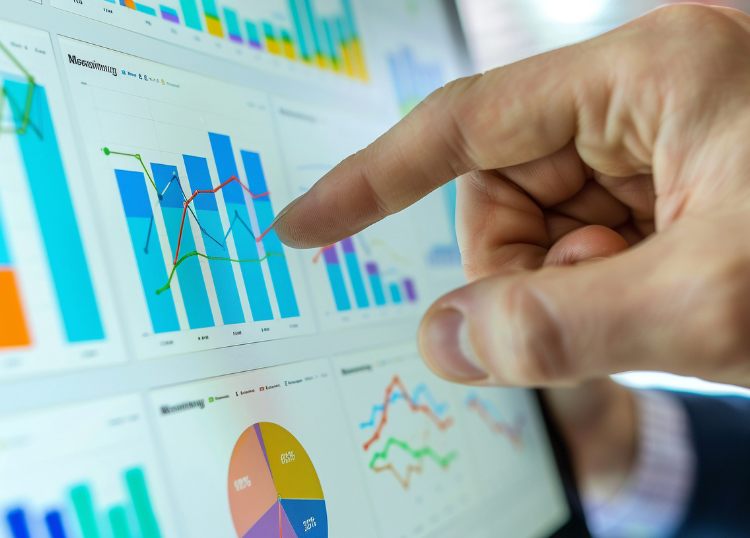
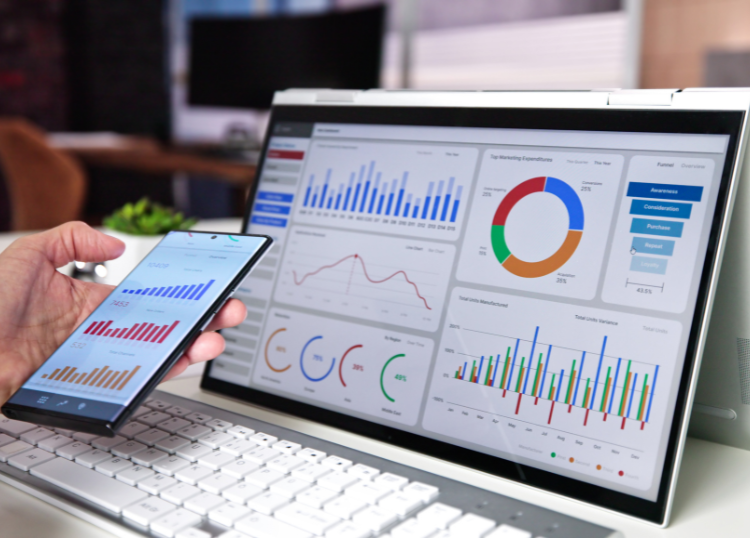
A marketing dashboard is a visual summary of key performance indicators (KPIs) that measures the effectiveness of your marketing efforts.
Instead of collecting information from multiple platforms every time you need an update, a dashboard presents your most relevant metrics in a single view.
A well-designed dashboard should be easy to read, updated regularly, and focused on information that supports business decisions.
Start With Clear Marketing Goals
Before deciding which metrics to include, define what you want your marketing to achieve.
Your goals may include:
- Increasing website traffic
- Generating qualified leads
- Growing online sales
- Building brand awareness
- Increasing email subscribers
- Improving customer retention
Your dashboard should measure progress towards these objectives rather than displaying every available statistic.
Track the Most Important Metrics
The best dashboards focus on a manageable number of meaningful KPIs.
Common metrics include:
- Website visitors
- Traffic sources
- Conversion rate
- Leads generated
- Cost per lead
- Email open rates
- Email click-through rates
- Social media engagement
- Online enquiries
- Sales generated through marketing
Choose metrics that directly relate to your business goals.
Include Website Performance
Your website is often the centre of your digital marketing activity.
Useful website metrics include:
- Total visitors
- New versus returning visitors
- Most visited pages
- Average engagement time
- Bounce rate
- Contact form submissions
- Organic search traffic
Monitoring these figures helps you understand how visitors interact with your website.
Measure Campaign Performance
If you run advertising or promotional campaigns, include performance data that shows how each campaign is contributing to your objectives.
Examples include:
- Campaign reach
- Click-through rate
- Conversion rate
- Cost per conversion
- Return on advertising spend
- Leads generated by campaign
Comparing campaigns allows you to identify which strategies deliver the strongest results.
Monitor Social Media Activity
Social media metrics provide useful insights into audience engagement.
Track measures such as:
- Follower growth
- Post reach
- Engagement rate
- Profile visits
- Website clicks
- Enquiries generated
Rather than focusing only on follower numbers, pay attention to metrics that indicate meaningful interaction with your audience.
Keep the Dashboard Simple
One of the biggest mistakes businesses make is trying to monitor too many metrics.
An effective dashboard should:
- Highlight the most important KPIs
- Use consistent reporting periods
- Include simple charts where appropriate
- Make trends easy to identify
- Avoid unnecessary complexity
A clean dashboard makes it easier to spot changes and respond quickly.
Review Results Regularly
A dashboard is most useful when it becomes part of your regular business routine.
Schedule time to review performance:
- Weekly for active campaigns
- Monthly for overall marketing performance
- Quarterly for strategic planning
Regular reviews help identify successful activities as well as areas requiring adjustment.
Turn Data Into Action
Collecting data alone does not improve marketing performance.
Use your dashboard to answer practical questions such as:
- Which campaigns generate the most leads?
- Which traffic sources produce the highest conversions?
- Which content attracts the most visitors?
- Where are customers leaving the website?
- Which channels deserve additional investment?
These insights support informed marketing decisions and more effective use of resources.
Choose the Right Reporting Tools
Many businesses create dashboards using tools that integrate data from multiple platforms.
Depending on your needs, you may use:
- Website analytics platforms
- Customer relationship management (CRM) software
- Email marketing platforms
- Social media reporting tools
- Spreadsheet software
- Business intelligence dashboards
Select a solution that matches the size of your business and the complexity of your reporting requirements.
Final Thoughts
A simple marketing dashboard helps businesses focus on the metrics that matter most. By bringing together website performance, campaign results, lead generation, and customer engagement in one easy-to-read report, it becomes easier to monitor progress and make informed marketing decisions. Keeping the dashboard focused, reviewing it regularly, and using the insights to guide future actions will provide far greater value than collecting large amounts of data that rarely influence business decisions.