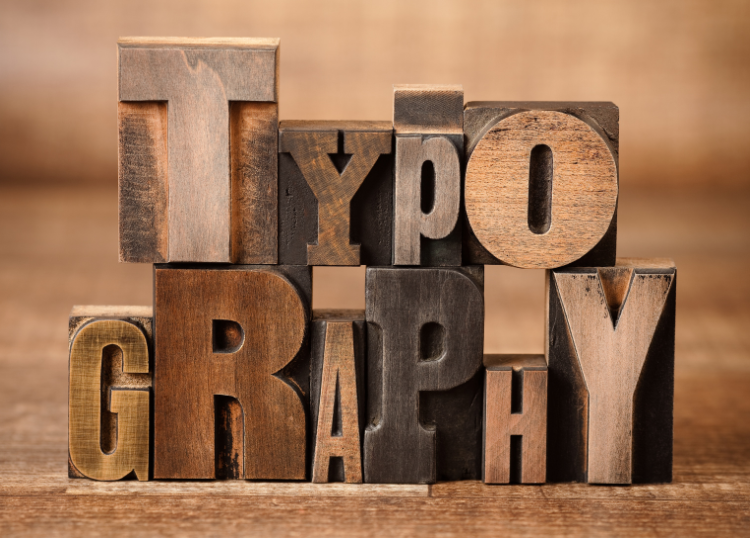
When people think about branding, they often focus on logos, colours, or imagery. However, typography is just as important. The fonts a business uses influence how customers perceive its personality, professionalism, and credibility, often within seconds of seeing a website, advertisement, or product.
From your logo and website to brochures and social media graphics, consistent typography helps create a recognisable brand identity and improves the overall customer experience.
What Is Typography?
Typography is the art and practice of arranging text to make it clear, readable, and visually appealing.
It includes decisions about:
- Font selection
- Font size
- Line spacing
- Letter spacing
- Text alignment
- Hierarchy
Together, these elements shape how people read and interpret your content.
First Impressions Count
Typography contributes to the first impression customers form about your business.
The right fonts can communicate qualities such as:
- Professionalism
- Creativity
- Reliability
- Innovation
- Elegance
- Simplicity
Choosing typography that reflects your brand values helps create a stronger connection with your audience.
Typography Builds Brand Recognition
Consistent use of typography makes your brand easier to recognise across different platforms.
Using the same fonts on your:
- Website
- Logo
- Business cards
- Social media
- Marketing materials
- Email communications
creates a cohesive visual identity that customers learn to associate with your business.
Readability Improves User Experience
Even the most attractive font loses its value if it is difficult to read.
Good typography improves:
- Website usability
- Reading speed
- Content clarity
- Mobile accessibility
- Customer engagement
Clear communication helps visitors stay focused on your message.
Different Fonts Communicate Different Messages
Every typeface creates a different impression.
For example:
- Serif fonts often communicate tradition and professionalism.
- Sans-serif fonts are commonly associated with simplicity and modern design.
- Script fonts can suggest elegance or creativity when used carefully.
- Display fonts are often reserved for headlines or special branding elements.
Selecting the right style helps reinforce your brand personality.
Create a Clear Visual Hierarchy
Typography guides readers through your content.
A clear hierarchy uses different text sizes and styles to distinguish:
- Headings
- Subheadings
- Body text
- Captions
- Calls to action
Well-structured content is easier to scan and understand, particularly online.
Consistency Strengthens Trust
Using different fonts randomly can make marketing materials appear unprofessional.
A consistent typography system helps:
- Build credibility
- Reinforce brand identity
- Improve visual consistency
- Create a polished appearance
Maintaining the same typography across all customer touchpoints contributes to a stronger brand image.
Typography Supports Digital Marketing
Typography influences performance across digital platforms.
Well-chosen fonts improve:
- Website readability
- Landing page design
- Social media graphics
- Email marketing
- Online advertisements
When combined with strong content and good design, typography helps deliver a better overall user experience.
Review Your Typography Regularly
As your brand evolves, it's worth reviewing whether your typography still reflects your business.
Consider:
- Brand consistency
- Readability across devices
- Accessibility standards
- Marketing objectives
- Audience preferences
Small refinements can help keep your visual identity current without losing brand recognition.
Final Thoughts
Typography is a fundamental part of effective branding. It shapes first impressions, improves readability, strengthens brand recognition, and communicates your business's personality across every customer touchpoint. By selecting appropriate fonts and using them consistently, businesses can create a professional and memorable visual identity that supports both marketing efforts and long-term brand recognition.