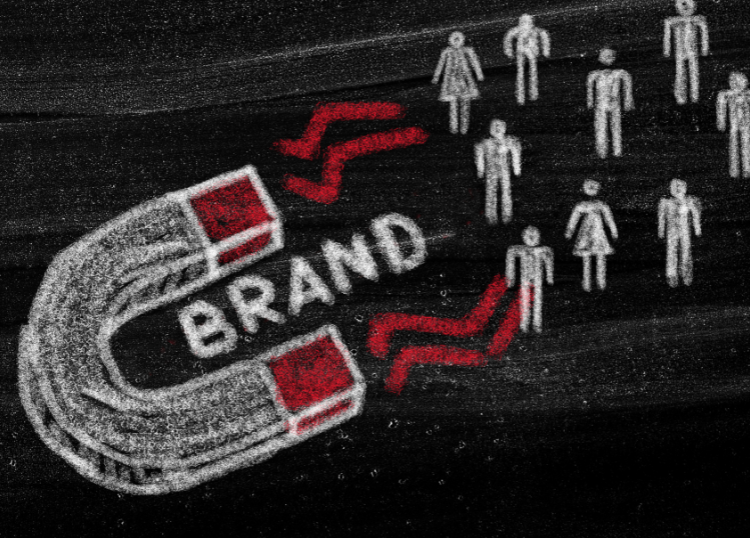
A brand is far more than a logo or colour palette. It reflects how customers perceive your business, what you stand for, and the experience people expect when they interact with your company.
As businesses grow, markets change, and customer expectations shift, a brand that once worked well may no longer represent the organisation accurately. Rebranding is an opportunity to align your visual identity and messaging with where your business is today and where you want it to go in the future.
Your Business Has Changed
Many businesses evolve over time by introducing new services, entering different markets, or changing their long-term direction.
A rebrand may be appropriate if you have:
- Expanded your services
- Changed your target market
- Entered new industries
- Shifted your business focus
- Merged with another company
- Experienced significant growth
Your brand should accurately represent what your business offers today, not what it offered years ago.
Your Brand Looks Outdated
Design trends change, and so do customer expectations.
Signs that your visual identity may need updating include:
- An old-fashioned logo
- Inconsistent branding
- Outdated typography
- Poor-quality graphics
- A website that no longer reflects your business
- Marketing materials that feel dated
Refreshing your visual identity can help create a more professional first impression.
You're Targeting a New Audience
A brand that appeals to one audience may not resonate with another.
If your ideal customers have changed, your branding should reflect their expectations.
Consider whether your:
- Messaging is relevant
- Visual style is appropriate
- Tone of voice matches your audience
- Website speaks to their needs
- Marketing materials remain effective
Understanding your audience should guide every aspect of the rebranding process.
Your Business Is Difficult to Differentiate
If potential customers struggle to understand what makes your business unique, your brand may need greater clarity.
A successful rebrand can help communicate:
- Your unique value
- Your areas of expertise
- Your customer focus
- Your company values
- Your position within the market
Clear messaging makes it easier for customers to remember and choose your business.
Your Reputation Has Changed
Businesses often grow beyond their original reputation.
You may have:
- Improved your services
- Expanded your expertise
- Earned industry recognition
- Invested in better customer service
- Changed your business model
A refreshed brand can reflect these positive developments and help reshape public perception.
Your Brand Lacks Consistency
Consistency helps customers recognise and trust your business.
If different parts of your business use varying logos, colours, fonts, or messaging, it may be time to establish a unified brand identity.
Consistency should extend across:
- Your website
- Social media
- Printed materials
- Email signatures
- Advertising
- Company signage
A cohesive brand presents a more professional image.
You're Launching a Major Business Milestone
Significant changes often provide a natural opportunity to refresh your brand.
Examples include:
- Opening new locations
- Launching new products
- Expanding internationally
- Celebrating a major anniversary
- Changing ownership
- Entering a new market
A rebrand can reinforce the message that your business is entering a new phase of growth.
Don't Rebrand Without a Clear Purpose
Rebranding should always be guided by business objectives rather than changing your image simply for the sake of it.
Before making changes, ask:
- What problem are we solving?
- What do customers currently think of our brand?
- What do we want them to think?
- Will the new brand support our long-term goals?
- Can we maintain consistency across every customer touchpoint?
Answering these questions helps ensure your rebrand delivers lasting value.
Plan the Rollout Carefully
Once your new brand is ready, introduce it consistently across every platform.
This includes updating:
- Your website
- Social media profiles
- Business stationery
- Company signage
- Marketing materials
- Email templates
A coordinated rollout creates a seamless experience for both existing and new customers.
Final Thoughts
Rebranding is not simply about changing a logo or choosing new colours. It is about ensuring your business identity accurately reflects your values, services, and long-term direction. When approached with a clear strategy, a rebrand can strengthen customer confidence, improve recognition, and position your business for continued growth. By recognising the signs that your brand no longer reflects who you are, you can make informed decisions that support your business well into the future.